

Feng Shui Decorating
Feng shui interior design focuses on how your apartment supports daily life, rest, and movement rather than following trends or rigid rules.
Feng shui interior design focuses on how your apartment supports daily life, rest, and movement rather than following trends or rigid rules. The goal is to create a space that feels stable, comfortable, and functional.
Feng shui is rooted in awareness. What you see when you walk in. How furniture guides movement. Where you pause, sleep, and gather. In apartments, these elements matter even more because rooms often serve multiple purposes.
Ahead, we’ll look at core feng shui principles and how they translate into practical interior design choices for modern apartment living.
Feng Shui at a High Level
Feng shui developed as a way of understanding how people interact with their surroundings.
It considers how energy (qi) moves through a space, how balance is created through opposing forces (yin and yang), how the five elements—wood, fire, earth, metal, and water—shape the qualities of a room through light, color, and overall atmosphere, and how placement concepts such as the commanding position, which prioritizes clear sightlines to entrances without direct alignment, influence comfort, awareness, and stability within a home.
Together, these ideas focus on how a space is arranged and experienced rather than just how it is decorated.
How Feng Shui Applies to Apartment Living
Before focusing on individual rooms, it helps to understand feng shui for the home as a whole. Feng shui apartment living offers a framework for thinking about layout, visibility, and how different areas support everyday routines.
Flow
Movement through a space should feel easy and uninterrupted. When furniture blocks natural walkways, the apartment can feel tense or crowded. Even small changes, like shifting a chair or clearing an entry path, can noticeably improve how the space functions.
Balance
Balance does not require matching furniture or perfect symmetry. It comes from proportion. Large pieces should be offset with open space or lighter elements nearby. Balance also depends on how light moves through a space. Natural light can make rooms feel more open and calm, while blocked light often makes spaces feel heavier than they need to be. Color and materials can reinforce that balance by making a room feel more grounded or more open.
Purpose
Each area should have a clear role. Even in studios or open layouts, defining how space is used helps the apartment feel organized instead of chaotic.
Feng Shui Room Layout and Decor Tips
These ideas form the base of feng shui for home design without requiring major changes. Now let’s explore feng shui tips for apartments, going room by room.
Bedroom Feng Shui
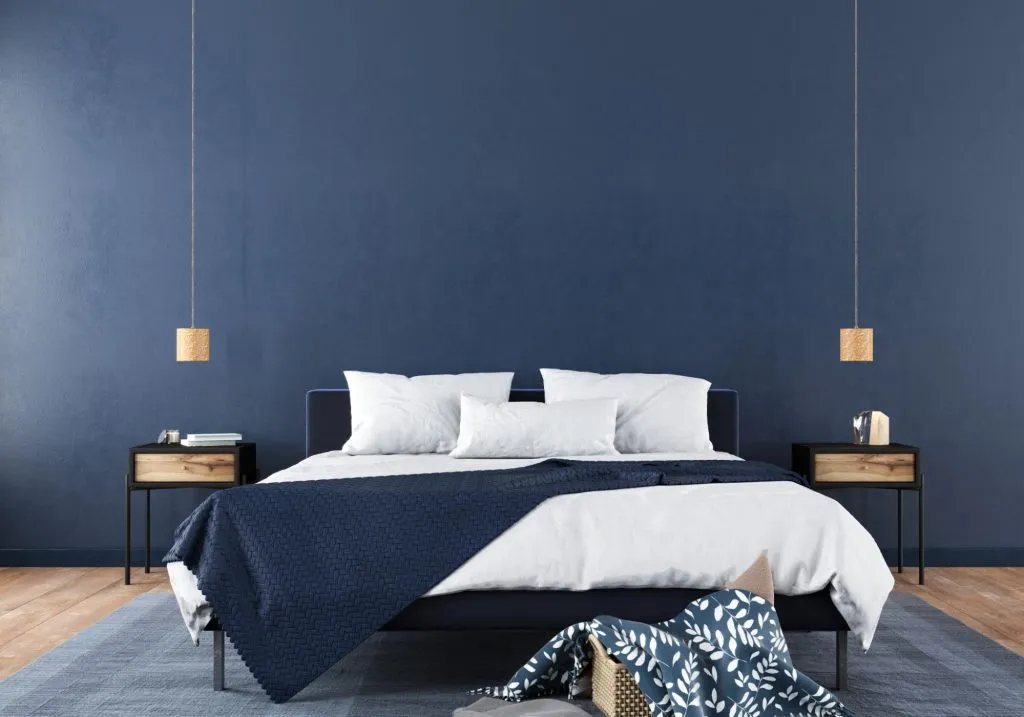
The bedroom should support rest above all else. A well-arranged bedroom feels calm, contained, and protected.
Place the bed with the headboard against a solid wall whenever possible. This provides physical support and reduces nighttime distraction. Beds positioned directly in line with doors or under windows often feel unsettled due to noise, light, and movement.
Good bedroom feng shui does not require the space to feel expansive. A space that feels too open can make it harder to relax. Nightstands, lamps, artwork, and textiles help create a sense of enclosure without clutter.
Lighting should be soft and layered. Overhead lights are better reserved for daytime use, while bedside lamps signal that the room is meant for rest. Keep under-bed storage minimal so the area beneath remains visually calm.
Living Room Feng Shui
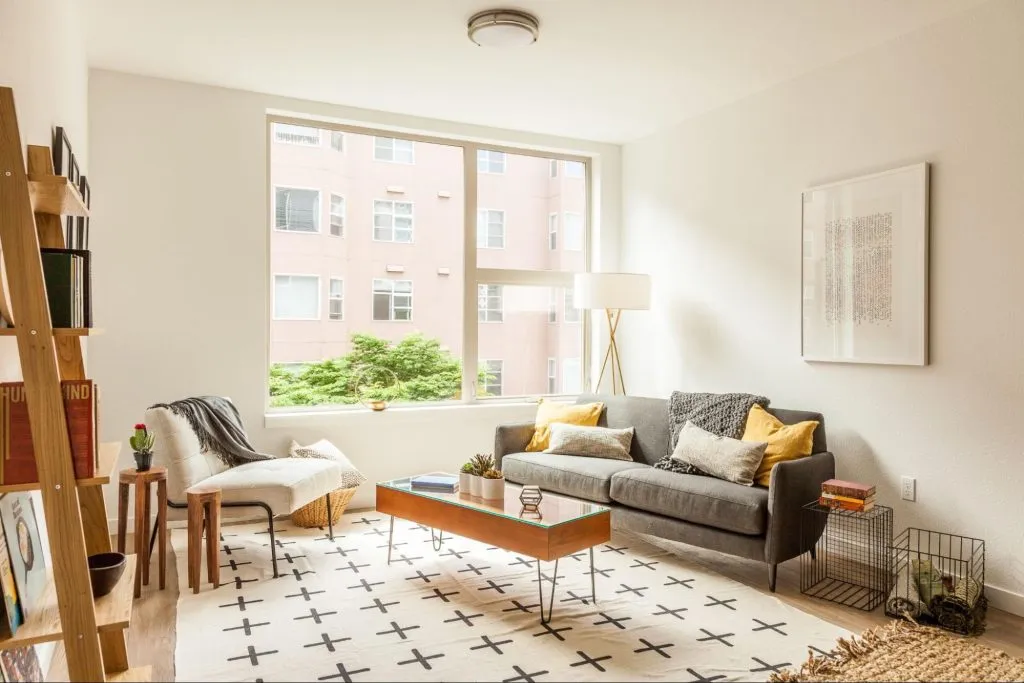
The living room is where most daily activity happens, from relaxing to socializing. Layout choices here influence comfort and ease.
Arrange seating so at least one primary seat has a view of the entrance to the room or apartment. This creates a sense of awareness and helps the space feel welcoming. When direct sightlines are not possible, a mirror can help without dominating the room.
Avoid overcrowding. Too much furniture can make the room feel closed off. Choose pieces that serve clear purposes and leave room for movement.
Artwork should feel grounding or uplifting. Landscapes, abstract designs, or personal photography often work better than visually busy imagery in shared spaces.
Kitchen Feng Shui
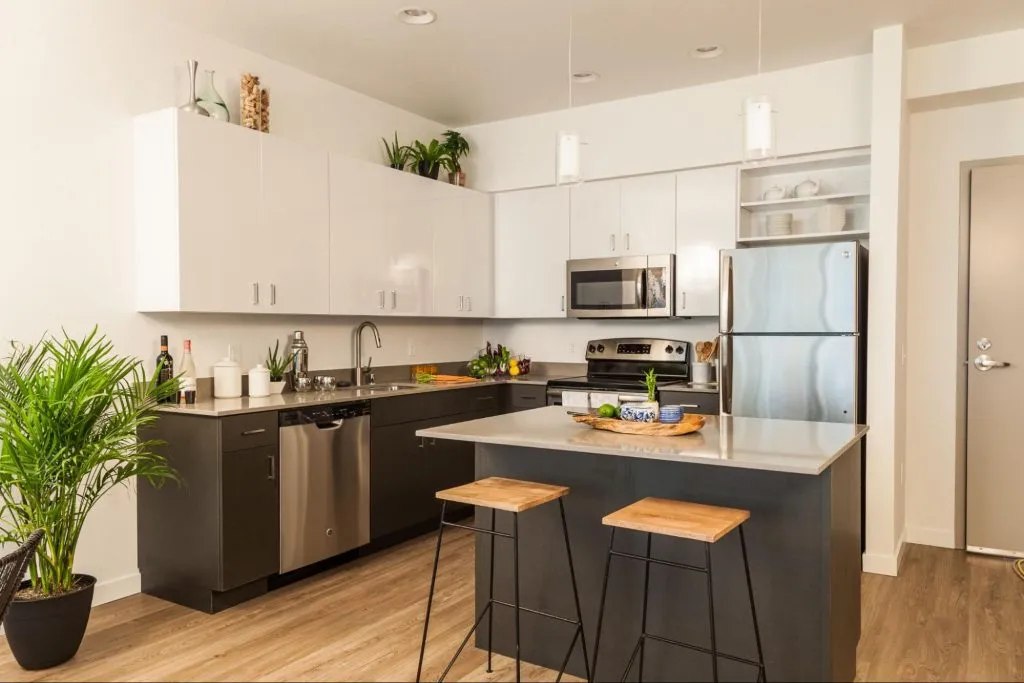
The kitchen plays a major role in daily routines and overall comfort. Function and clarity matter more here than decoration.
Keep countertops as clear as possible so the space feels manageable rather than stressful. Store items that are not used regularly to reduce visual noise.
Cooking areas should feel stable and easy to move through. If the stove faces a wall, reflective surfaces nearby can help improve awareness of the room. Dining areas should feel accessible and balanced, even in smaller kitchens.
Lighting is especially important. Task lighting supports daily use, while softer ambient lighting helps the kitchen feel connected to the rest of the apartment.
Entryway Feng Shui
Even apartments without formal foyers benefit from a defined entry with feng shui decor.
Use a rug, lighting, or wall art to mark the transition from outside to inside. This helps create a sense of arrival rather than stepping directly into the living space.
Shoes, bags, and coats should have designated storage so clutter does not spread. Lighting should feel welcoming rather than harsh, setting a calm tone as soon as you enter.
Home Office Feng Shui
Work-from-home setups are common in apartments, even when space is limited.
Position desks so you can see the entrance to the room without sitting directly in line with it. This supports focus and reduces distraction. Visual separation between work and rest areas, even through rugs or shelving, helps maintain balance.
Keeping the workspace simple and organized reduces mental clutter and makes it easier to concentrate.
Find a Washington, DC Apartment That Supports Better Living With Keener Management
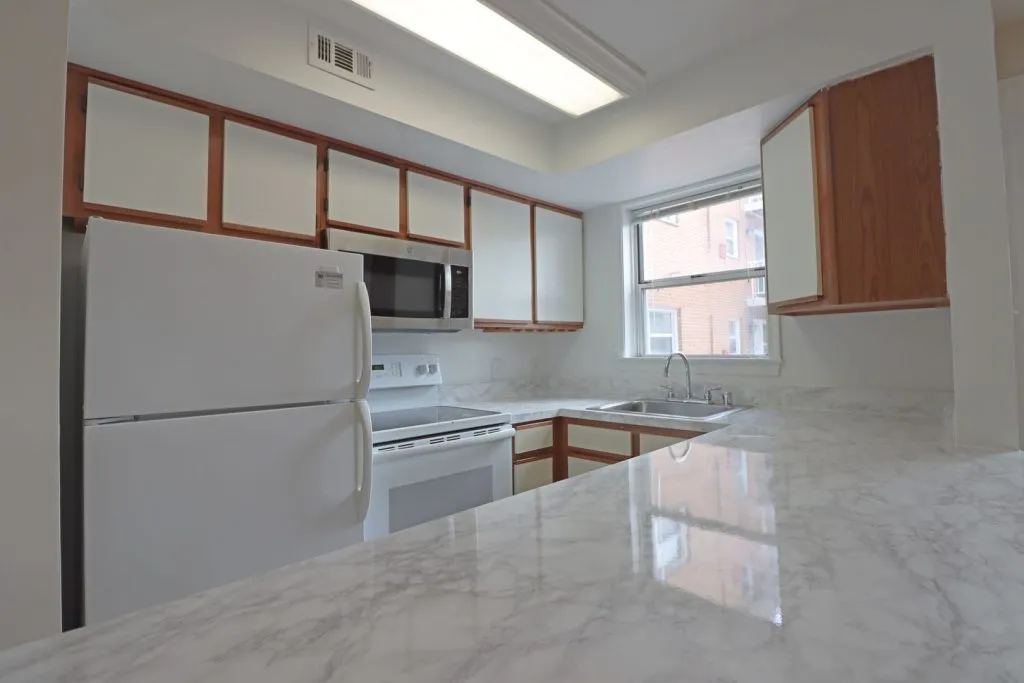
Your apartment layout and interior design shape how your home feels every day. At Keener Management, communities are designed with livability in mind, offering layouts that support flow, comfort, and flexibility in the most desirable Washington, DC neighborhoods. Thoughtful planning makes it easier to create a home that feels calm, functional, and supportive of daily life.
If you are looking for a luxury apartment in Washington, DC that works with how you live, explore properties managed by Keener Management and find a place that feels right from the start. Check out our available apartments for rent in Washington, DC.