






More people than ever are looking for practical steps that support cleaner living and lower waste in everyday life.
Washington, DC encourages these efforts through citywide measures like the fee on disposable carryout bags, well-connected public transportation, and walkable neighborhoods. These features make sustainable habits easier to maintain.
You can build on that momentum by taking simple steps to make your home more eco-friendly without major changes to your space.

1. Choose Natural Cleaning Products
Many traditional cleaning supplies rely on strong synthetic ingredients. Switching to plant-based formulas reduces harsh buildup and creates a healthier environment with less chemical residue. This shift is one of the simplest ways to explore how to be eco-friendly at home without overhauling your entire routine. You can start with multipurpose cleaners and dish soap and expand as you discover brands you like.

2. Bring in Better Scents
If you want a fresh-smelling home without aerosol sprays or plug-ins, look to essential oil diffusers, naturally scented candles, or simple reed diffusers. These options avoid complex artificial fragrances and make your space feel cleaner and calmer. Updating your scent routine is one of several eco-friendly home improvements that can ease indoor air concerns while still giving your home the aroma you enjoy.
3. Reduce Water Waste With Consistent Habits
Cutting water waste often comes down to small, repeatable actions. Shorter showers, full dishwasher loads, and mindful faucet use all help lower household consumption. Tracking your utility bill can also highlight progress and encourage long-term consistency.

4. Upgrade to Energy-Smart Lighting
LED bulbs deliver strong lighting while using far less energy than older bulb styles. They last longer and run cooler, which makes them a smart choice for anyone interested in environmentally friendly home improvements that do not require structural changes. Replacing bulbs over time keeps the process affordable and still leads to meaningful household savings.
5. Ditch the Plastic Coffee Pods
If you rely on pod-based machines, consider a switch to a French press, pour-over, or moka pot. These methods reduce plastic waste and offer more control over flavor. Glass and metal brewing tools are durable and easy to maintain. Changes like this show how to make your home more sustainable through small, everyday decisions that gradually reduce disposable materials.
6. Repurpose Household Items
Before throwing something out, consider whether it can serve another purpose. Old shirts become cleaning rags. Glass jars make great storage for leftovers or pantry items. Repurposing materials fits naturally into environmentally friendly house ideas because it cuts down on waste while extending the usefulness of items you already own.
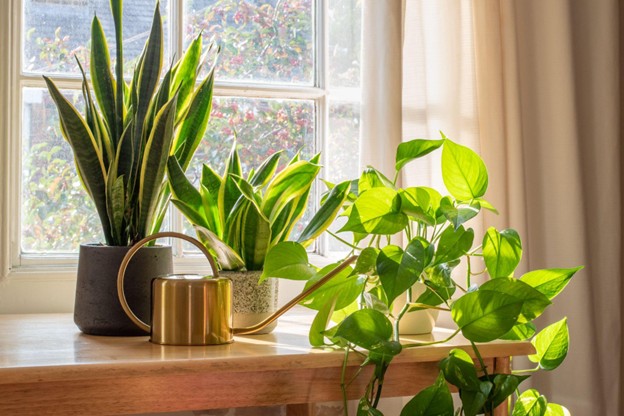
7. Add Indoor Plants for Cleaner Air
Houseplants can help create a more balanced indoor environment. Varieties like pothos, philodendrons, and spider plants thrive in many lighting conditions and add a vibrant touch to your space. You can make your home more eco-friendly through simple additions, with plants having the added benefit of visual appeal and a sense of calm.
8. Use Tools That Limit Food Waste
Meal planning, thoughtful storage, and freezer-friendly prep all help reduce food waste. Clear containers make it easier to see what needs to be used, and storing leftover herbs or broth in ice cube trays prevents unnecessary spoilage. These habits align with how to make your home more sustainable while adding convenience to your weekly routine.
9. Choose Energy-Saving Countertop Appliances
For eco-friendly home upgrades that can have a noticeable impact on your electricity use, look to your countertop appliances. Air fryers and compact toaster ovens handle daily cooking tasks with less power than full-size ovens. Choosing efficient models gives you practical benefits without requiring changes to your rental unit.
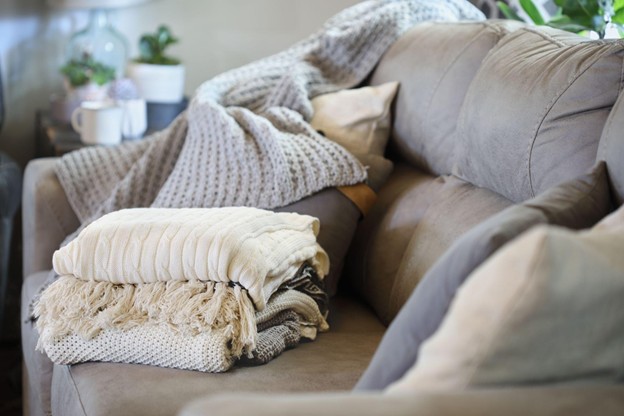
10. Keep Temperature Comfortable With Textiles
Layered textiles can make a noticeable difference in comfort during colder months. Thick curtains reduce drafts around windows. Rugs add insulation on hard floors. Throws and blankets keep you warm without relying too heavily on your heating system.
11. Make Recycling Convenient
Recycling works best when the process is simple. Keeping a bin near the kitchen encourages consistent sorting and helps reduce the amount of material headed to the landfill. Reviewing local guidelines makes it easier to follow best practices and supports an environmentally friendly home through everyday routines.
Extra Tip: Enjoy DC Resources That Support Sustainable Living
Washington, DC gives residents several ways to practice eco-friendly habits outside the home. The city’s extensive public transit system and connected bike lanes make it easy to avoid unnecessary car trips.
Neighborhood farmers markets offer fresh produce from regional growers, which helps reduce the distance food travels before reaching your kitchen.
Community gardens, compost drop-off locations, and local refill shops add even more opportunities to cut waste.

Find Your Next Apartment Rental in DC
Keener Management offers luxury apartments in Washington, DC in some of the most desirable and walkable neighborhoods, including Georgetown, Dupont Circle, Logan Circle, Woodley Park, 14th Street, Kalorama, and Columbia Heights. These communities give residents easy access to Metro stations, local shops, restaurants, and daily conveniences.
Each property features modern amenities, well-maintained common areas, and dependable service that supports a comfortable and streamlined living experience. If you are planning a move or want a new home in a location that delivers both access and quality, explore current availability today.