

Why Now Is the Best Time to Move to Washington, DC
Washington, DC offers a mix of career access, neighborhood variety, and everyday convenience that is difficult to match in other major cities.

Washington, DC offers a mix of career access, neighborhood variety, and everyday convenience that is difficult to match in other major cities. If you’re planning to relocate to DC, the advantage comes from how closely work, housing, and daily life can fit together. That alignment affects how long you spend commuting, how easily you handle errands, and how quickly you settle into a routine.
Career Access That Keeps You Close to Work
Washington, DC supports a wide range of professional paths within a relatively compact area. Federal agencies, consulting firms, healthcare systems, and technology companies operate across the same central part of the city.
That setup reduces the need for long commutes across the region. Getting to work or attending events tied to your industry usually takes less time and requires less coordination than in cities where jobs are spread farther apart.
Walkability That Simplifies Your Daily Routine
Walkability changes how you move through the city. In many parts of Washington, DC, you can step outside and reach restaurants, grocery stores, pharmacies, and spas and salons within a few blocks.
Areas along 14th Street are a clear example, where multiple errands can be handled in a single trip. This reduces the time spent going from place to place and makes it easier to fit tasks into your day without planning around traffic or parking.
Transit That Connects You Across the City

Washington, DC’s public transportation system allows you to move between neighborhoods without relying on a car. The Metrorail and Metrobus network connects residential areas to downtown and other parts of the city.
This means your Washington DC rental apartment does not need to be next to your office to remain practical. Living near a transit line can keep your commute manageable while giving you more flexibility in where you choose to live.
Access to Dining, Parks, and Cultural Spaces
Washington, DC includes a mix of public spaces and cultural destinations that are part of daily life rather than occasional outings. Museums, parks, and performance venues are spread throughout the city.
Rock Creek Park and the National Mall provide space for walking and outdoor activity. Dining options continue to expand along major corridors, making it easy to find the best brunch spots, Michelin star restaurants, and cafés close to where you live.
Standout Neighborhoods to Consider If Moving to DC
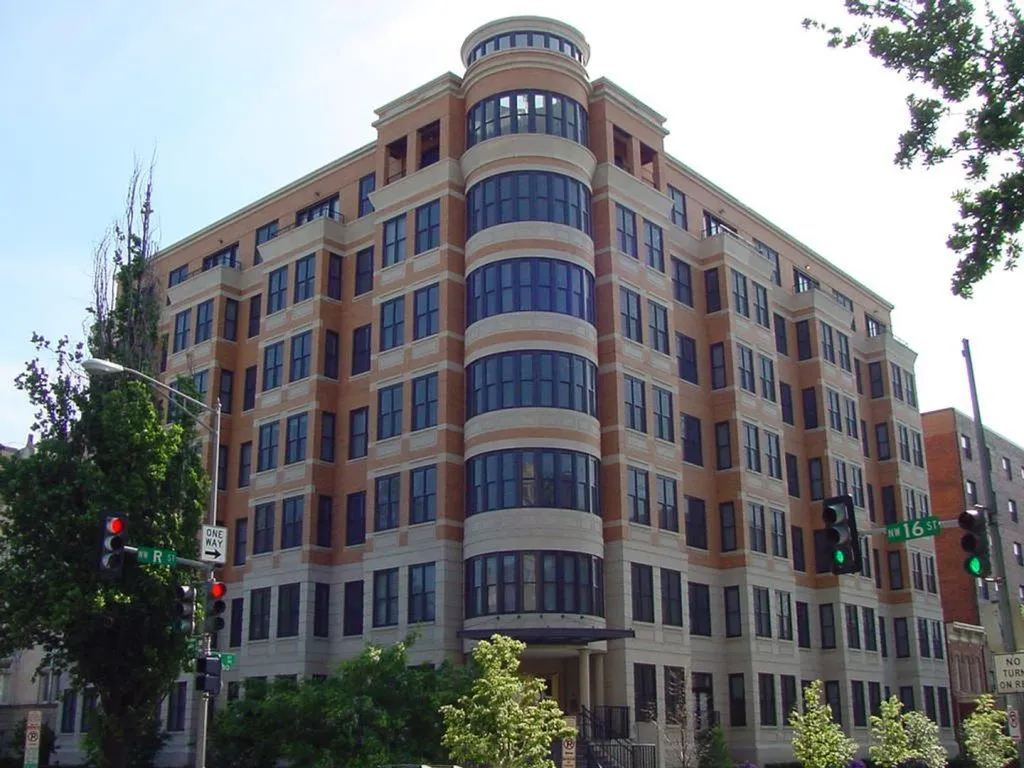
Washington, DC neighborhoods differ in how busy they feel, how easy it is to run errands, and how much you rely on transit. These areas stand out based on how your day would typically unfold in each one.
- Logan Circle keeps most of your routine within a few blocks, with restaurants, gyms, and small shops clustered around 14th Street.
- Dupont Circle works well if you rely on Metro, with direct Red Line access and a central position for commuting across the city.
- 14th Street puts you in one of the busiest parts of DC, with a high concentration of restaurants, bars, and retail along a single stretch.
- Columbia Heights makes errands straightforward, with major retail and grocery stores grouped near the Metro.
- Woodley Park moves at a slower pace, with fewer storefronts and quicker access to Rock Creek Park.
- Kalorama is more residential, where most streets are quieter and daily activity is centered outside the neighborhood.
- Georgetown centers around M Street and Wisconsin Avenue, where shops and restaurants are concentrated and foot traffic stays steady throughout the day.
Luxury Apartment Living in Washington, DC With Keener Management
Keener Management’s luxury apartment communities are located in Logan Circle, Dupont Circle, 14th Street, Kalorama, Woodley Park, Columbia Heights, and Georgetown. These locations place you near Metro stations, grocery stores, and a mix of restaurants and everyday services within walking distance.
Each community is professionally managed with consistent maintenance and clear leasing terms. You can review current availability and compare floor plans across neighborhoods to find a DC apartment that fits your commute and daily routine.
FAQs
What is the best time of year to move to Washington, DC?
Spring and early summer usually offer the most available apartment rentals in Washington, DC. More listings come online during this period, which gives you more options to compare across neighborhoods and buildings. Fall and winter tend to be quieter, with fewer listings but less competition.
What is the best DC neighborhood if you commute to downtown?
Neighborhoods closest to downtown or along major Metro lines tend to make commuting easier. Dupont Circle and Logan Circle are both within a short distance of many office buildings, which can reduce commute time. If you rely on Metro, living near a Red Line stop can simplify travel across the city.
Do you need a car to live in Washington, DC?
In many parts of Washington, DC, you can get by without a car. Walkable neighborhoods and access to Metro rail and bus routes make it possible to handle commuting and daily errands without driving. Your need for a car depends on how close you live to transit and where you work.
Which DC neighborhoods are the most walkable?
Areas around Logan Circle and the 14th Street corridor are known for having restaurants, grocery stores, and services within a few blocks. In these areas, you can often complete multiple errands in a single trip without leaving the neighborhood.
Which DC neighborhoods have the most green space?
If access to parks and outdoor space is a priority, a few neighborhoods stand out for how close they are to larger, usable green areas. Woodley Park is directly next to Rock Creek Park, with immediate access to trails, wooded areas, and open space. Kalorama borders Rock Creek Park and includes residential streets with multiple entry points into the park. Georgetown offers access to both Rock Creek Park and the Potomac River waterfront, with trails and paths in both directions.
How does moving from NYC to DC compare?
Washington, DC is smaller than New York City, so distances between neighborhoods are generally shorter. The city is also less dense, which can mean less crowded sidewalks and transit during daily routines. New York City has a larger transit system and more late-night activity, while DC tends to feel more contained and easier to move through day to day.